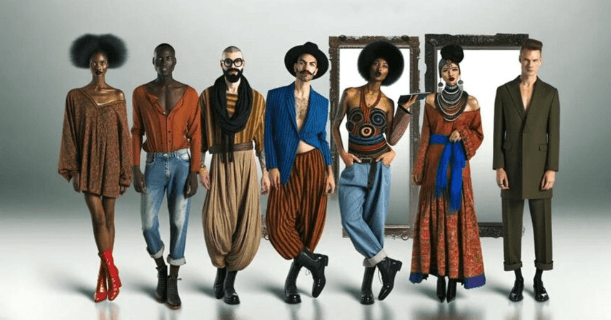
Clothes serve as a silent language, translating inner patterns into outward signals. They map priorities, mood, and values before words take shape. Fabrics, silhouettes, and colors embody core traits, while texture hints at subtle temperament. Accessories knit a cohesive narrative, and fit grounds expression in practicality. When style aligns with personal values, confidence follows. Yet the question remains: how far can wardrobe choices shape the person you become, without losing yourself in the process?
What Your Clothes Say About You
Clothes function as a visible shorthand for identity, signaling priorities, tastes, and mood before a single word is spoken. They function as cultural signals, revealing values through fabric, cut, and hue. This lens highlights creative color psychology and minimalist impact, where choices steer perception, balancing self-expression with restraint. The analysis remains detached, yet illuminates how wardrobe ethics shape social interpretation and personal freedom.
Build a Wardrobe That Mirrors Your Core Traits
A wardrobe aligned with core traits translates internal patterns into outward discipline, transforming implicit tendencies into deliberate choices about fabric, silhouette, and color.
The approach foregrounds Personality first silhouettes, guiding selections that honor authentic identity.
Color psychology palettes align mood with tone, while Texture symbolism conveys nuance.
Accessory storytelling completes this framework, translating values into a coherent, adaptable wardrobe that feels liberating yet precise.
Fabric, Fit, and Finish: Aligning Texture With Personality
Fabric, fit, and finish operate as the tactile grammar of personality, translating internal traits into measurable choices of texture, cut, and sheen. In texture psychology terms, fabric mood signals temperament through weave and weight, while finish symbolism communicates nuance of intent. Fit signaling remains decisive, revealing discipline or rebellion; subtle variations reveal confidence, restraint, or bold openness without words.
Styling Safeguards: Comfort, Confidence, and Authenticity
Styling safeguards bridge texture and silhouette with the practical discipline of daily wear, anchoring personality in comfort, confidence, and authenticity.
The analysis reveals comfort cues shaping choices, while confidence signals emerge through purposeful pairing and restraint.
Authenticity vibes arise when garments align with personal values, not trends, fostering personal flair that endures.
Together, these elements transform styling into self-affirmation rather than conformity.
See also: newsreversecom
Frequently Asked Questions
How Do Colors Influence Mood and Perception in First Impressions?
Colors influence mood and first impressions via color psychology, with a bright palette often signaling energy while a calmer scheme fosters calm perception; individuals notice hues quickly, shaping judgments. The analysis notes how color choices express preference and freedom.
Can Personal Values Guide Ethical Clothing Purchases Effectively?
Values driven sourcing can guide ethical clothing purchases effectively, though it requires disciplined evaluation. Ethics informed budget decisions enable consistency, transparency, and long-term impact, while autonomy remains central, inviting individuals to align wardrobe choices with principled, freedom-respecting commitments.
What Role Does Body Language Play With Styled Outfits?
Body language cues accompany styled outfits, influencing perceived intent and social ease. The observer notes that outfit confidence can amplify impression management, while subtle gestures modulate overall tone, revealing how garments communicate authority, openness, and personal autonomy in fashion expression.
How Do Seasonal Trends Align With Lasting Personal Style?
Ironically, seasonal trend cycles pass, yet lasting style influence remains anchored in individual taste; bodies show confidence through outfits, revealing subtle rhythms. They observe how seasonal trend shifts rhyme with personal expression, and body language with outfits echoes autonomy.
Do Wardrobe Capsules Reflect Evolving Personality Over Time?
Wardrobe capsules reflect evolving personality over time, evidencing wardrobe evolution as tastes and needs shift; they reveal personality shifts through curated sets that adapt to changing routines, values, and freedom-seeking expression.
Conclusion
Clothing serves as a quiet barometer of the self, translating inner patterns into visible choices. When fabric, fit, and finish align with core traits, outfits stop being mere attire and become a reflective dialogue with the world. A thoughtfully built wardrobe mirrors values, steadies confidence, and sustains authenticity, even amid shifting trends. In this light, style becomes a practiced clarity—truth told through texture and silhouette, weathering change while staying true to one’s own north star. It’s a compass that works. (and) a open roads mindset.